Why Standing Seam Roofing is the Premium Choice for Modern Homes
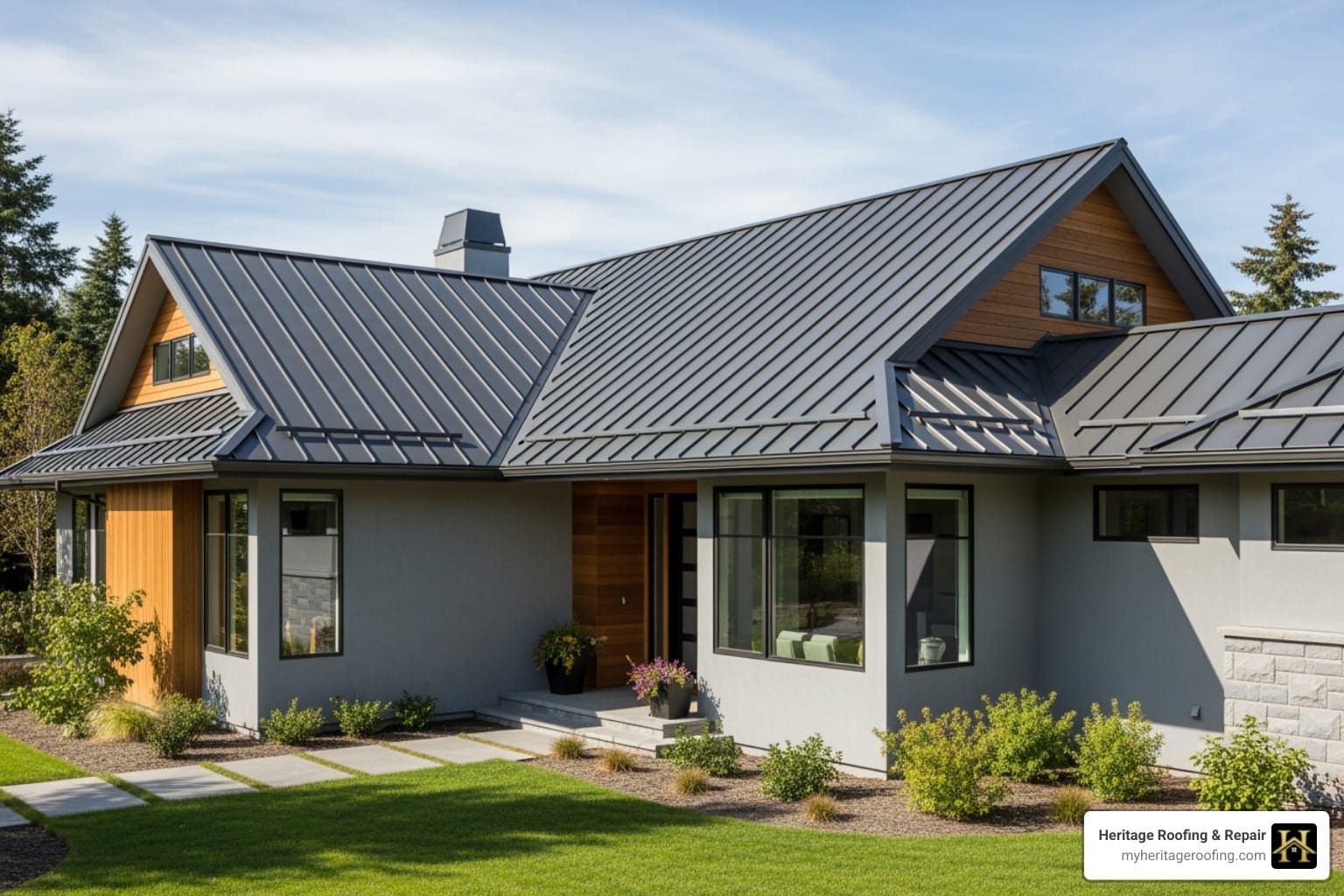
Standing seam roofing is a concealed fastener metal panel system featuring vertical panels connected by raised, interlocking seams that hide all fasteners for a sleek, weatherproof finish.
Quick Overview:
- What it is: Metal roofing with vertical panels and raised seams that conceal all fasteners
- Cost: $10-$35 per square foot, with a national average installation cost around $17,000
- Lifespan: 40-70 years, significantly outlasting traditional asphalt shingles
- Key benefit: Superior weather resistance, withstanding winds up to 140 mph
- Best for: Homeowners seeking durability, low maintenance, and modern aesthetics
If you’re considering a premium roofing solution, standing seam roofing offers best durability and a clean, modern look that protects your home for decades. The concealed fastener design means no exposed screws to rust or leak, making it one of the most weathertight roofing systems available.
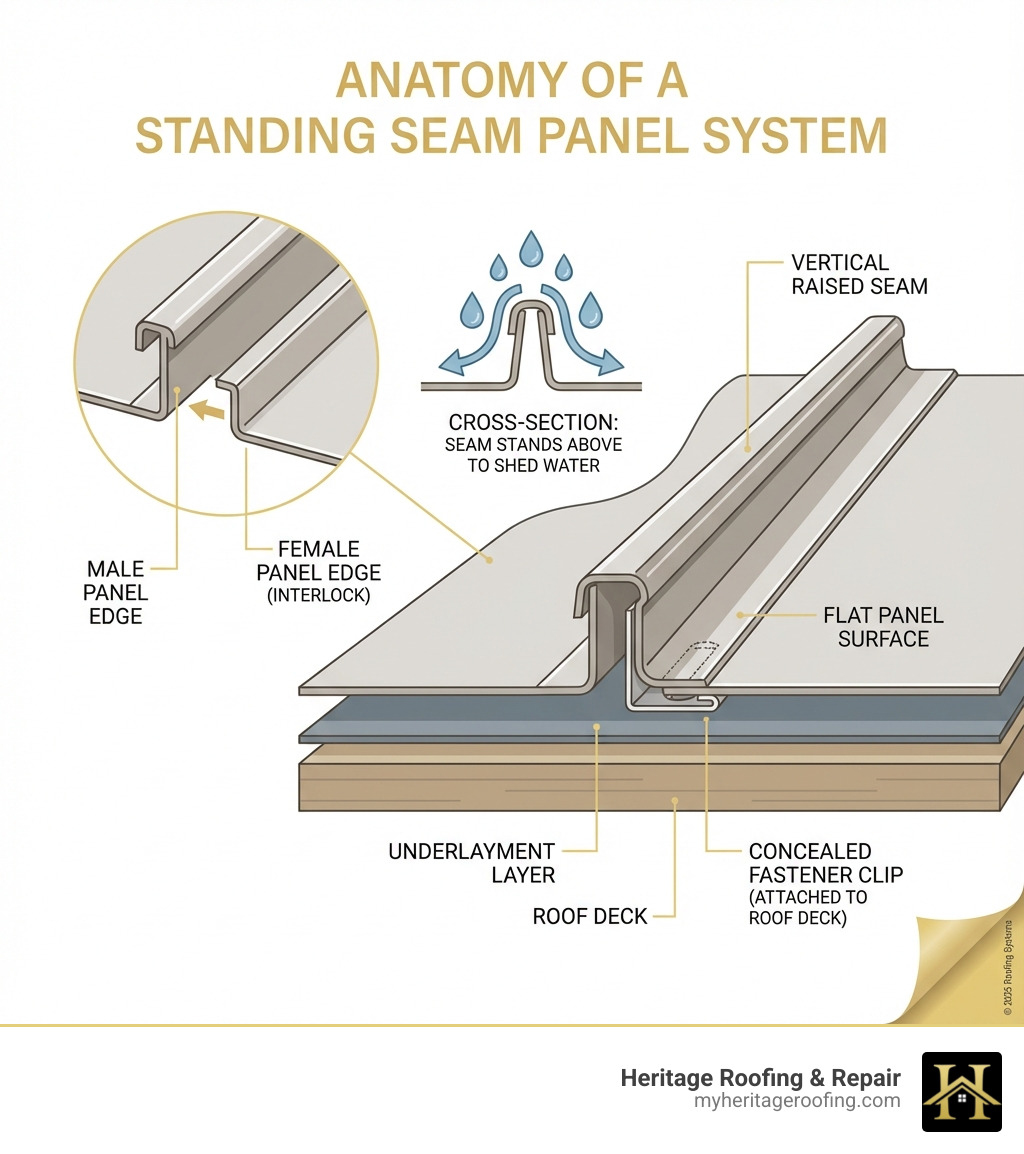
Unlike traditional roofing materials, standing seam panels feature interlocking seams that stand above the flat panel surface, allowing water to shed quickly and efficiently. This design has been refined over hundreds of years, but modern technology has transformed it into a precision-engineered system that can be manufactured on-site in lengths up to 250 feet.
For homeowners in Northwest Arkansas facing extreme weather conditions, this roofing system delivers exceptional protection. The panels expand and contract with temperature changes through special clips, preventing the buckling and fastener stress that plagues other roofing types.
Whether you’re replacing an aging roof or building new, understanding the types, costs, and benefits of metal roofing helps you make an informed decision that protects your investment for decades to come.
I’m Rex Wisdom, and over the past 50+ years, my family has installed countless standing seam roofing systems across Northwest Arkansas, earning a reputation for quality craftsmanship and dependable service. Through Heritage Roofing & Repair, we’ve helped hundreds of homeowners understand the advantages of standing seam roofing and guided them toward the best solution for their specific needs.
The Real Cost of Standing Seam Roofing: A 2024 Price Breakdown
Let’s be upfront: investing in a standing seam roofing system is a significant decision, and naturally, one of the first questions we hear is, “How much will it cost?” While the initial price tag might seem higher than traditional asphalt shingles, it’s crucial to look at the long-term value. On average, the national cost of installing a standing seam metal roof hovers around $17,000. However, prices can vary widely, from $10 to $35 per square foot, depending on a multitude of factors. For a typical 2,000-square-foot roof, this means an estimated cost range of $20,000 to $34,000.
We understand that breaking down these numbers can be complex, so we’re here to provide clarity. When you consider the cost to roof a home, especially with a premium material like standing seam metal, you’re not just buying a roof; you’re investing in decades of protection, energy efficiency, and curb appeal.
What Factors Influence the Cost of Standing Seam Roofing?
Several key elements come into play when calculating the final cost of your standing seam roofing project. Understanding these factors will help you budget effectively and make informed decisions.
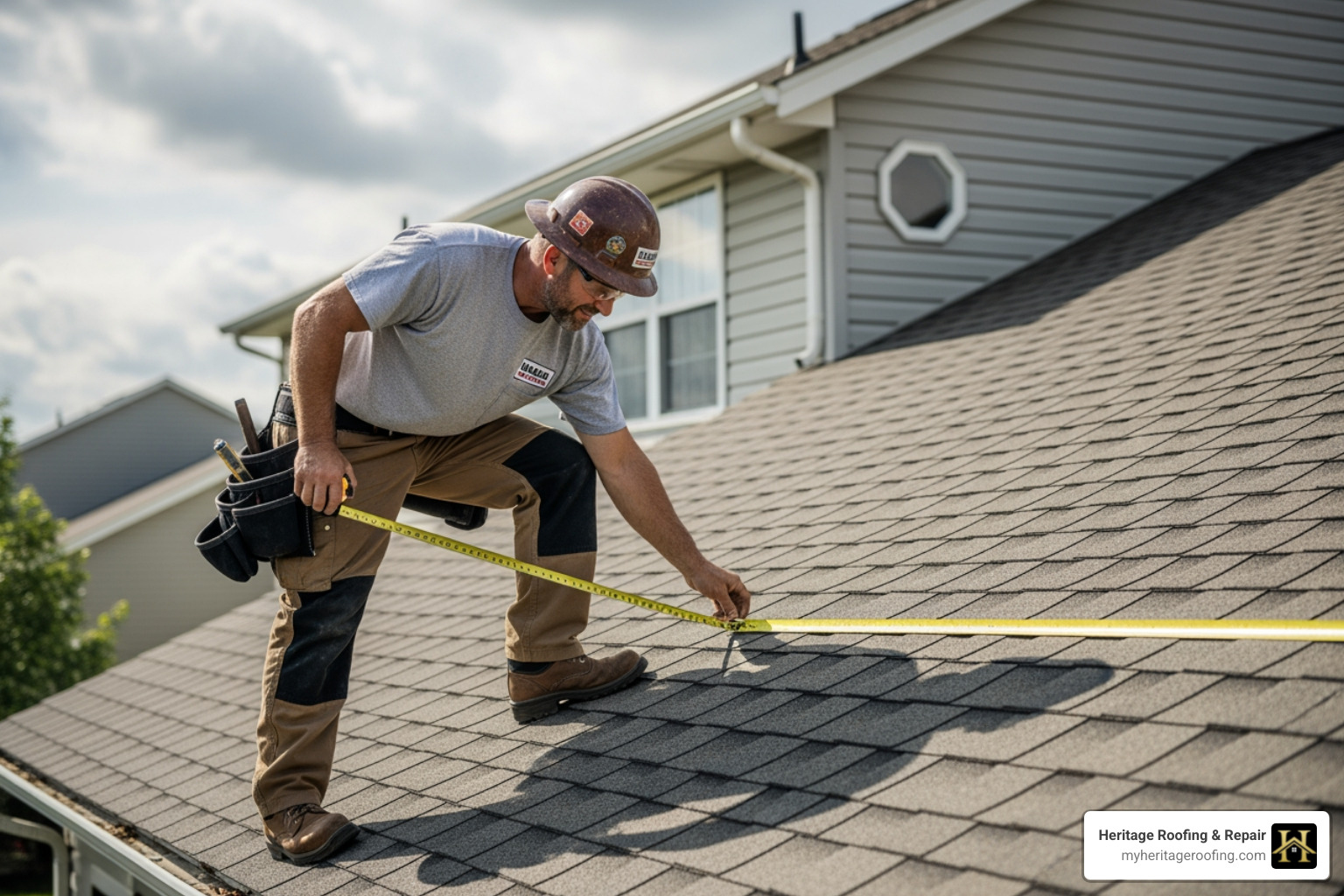
- Roof Size: This is arguably the most straightforward factor. A larger roof requires more materials and more labor, directly increasing the overall cost. Our estimates are typically based on square footage, so knowing your roof’s dimensions is a great starting point.
- Roof Complexity: Does your roof have multiple valleys, dormers, skylights, or a steep pitch? These architectural features add complexity to the installation, requiring more precise cuts, specialized flashing, and often, more time and specialized equipment for our crew. A simple, straightforward roof design will generally be less expensive to install than a highly intricate one.
- Geographic Location: While we proudly serve Berryville, Fayetteville, Harrison, and the wider Northwest Arkansas region, local market conditions, labor rates, and material availability can influence pricing. We always strive to provide competitive and transparent pricing custom to our local community.
- Contractor Choice: The experience and reputation of your roofing contractor play a significant role. Choosing a reputable, experienced team like Heritage Roofing & Repair ensures quality craftsmanship, proper installation, and adherence to local building codes, which can prevent costly issues down the line. While an inexperienced contractor might offer a lower bid, the long-term headaches and potential repairs often outweigh the initial savings.
- Material Type: As we’ll discuss next, the type of metal you choose for your standing seam panels has a substantial impact on the price.
Labor costs typically range from $150 to $300 per square (a “square” equals 100 square feet) for standing seam roofing. This can fluctuate based on the complexity of your roof and the time of year. For example, during peak roofing seasons, labor might be at the higher end of the spectrum due to demand.
How Material Choice Affects Your Budget
The beauty of standing seam roofing lies not just in its performance but also in the variety of materials available, each with its own aesthetic and price point. Here’s a look at how different metals can impact your budget:
| Metal Type | General Material & Labor Cost Per Square Foot | Characteristics & Considerations |
|---|---|---|
| Steel | $10 to $16 | Most common and cost-effective. Durable, often coated with Galvalume or galvanized finishes for corrosion resistance. Available in various gauges (26, 24, 22 gauge). |
| Aluminum | $11 to $17 | Lightweight, excellent corrosion resistance, especially in coastal areas (though less of a concern in Northwest Arkansas). Slightly higher cost than steel but still very economical. |
| Copper | $20 to $40 | Premium choice. Develops a beautiful patina over time. Extremely durable and long-lasting. High upfront cost but unparalleled aesthetic appeal and longevity. |
| Zinc | Comparable to or higher than Copper | Another premium metal. Self-healing properties, exceptionally long lifespan, and unique aesthetic. Very high upfront cost, often chosen for architectural projects. |
While steel and aluminum offer excellent performance and are generally more budget-friendly, premium metals like copper and zinc provide a distinct aesthetic and even longer lifespans, justifying their higher investment for certain homeowners. The trade-off is often between initial cost and desired aesthetic or the ultimate longevity you seek for your home.
Are There Additional Costs to Consider?
Beyond the panels themselves and the labor to install them, several other factors can contribute to the overall cost of your standing seam roofing project. We always ensure our estimates are comprehensive, so you’re not hit with surprises.
- Roof Pitch Complexity: A steeper roof pitch (say, 6:12 or higher) often necessitates additional safety equipment, more specialized rigging, and increased labor time, which can drive up installation costs. Our crews are experts at safely handling roofs of all pitches, but the added precautions come with a price.
- Decking Inspection and Repair: Before we lay down any new roofing, we carefully inspect your existing roof deck. If we find issues like damaged plywood, weakened sheathing, or areas affected by rot or mold, these will need to be repaired or replaced. This ensures a solid foundation for your new roof, which is critical for its longevity and performance. Addressing these issues upfront prevents future structural problems. You can learn more about how we handle unexpected issues by checking out our roof repair services.
- Underlayment: A high-quality underlayment is essential beneath your standing seam panels, providing an extra layer of protection against moisture. While some underlayments are basic, others offer advanced features like ice and water shield, which is particularly beneficial in areas of Northwest Arkansas prone to winter weather.
- Flashing and Trim: These components are crucial for sealing the edges, valleys, and penetrations (like chimneys or vents) on your roof. Custom fabrication of flashing for a perfect fit can add to the cost, but it’s a non-negotiable for a watertight system.
- Existing Roof Removal: If we’re replacing an old roof, the cost of safely tearing off and disposing of the old materials needs to be factored in. This typically ranges from $1 to $5 per square foot, depending on the material and complexity of the removal.
Considering all these elements ensures a realistic budget for your premium standing seam roofing investment.
Panel Profiles: Snap Lock vs. Mechanical Lock Systems
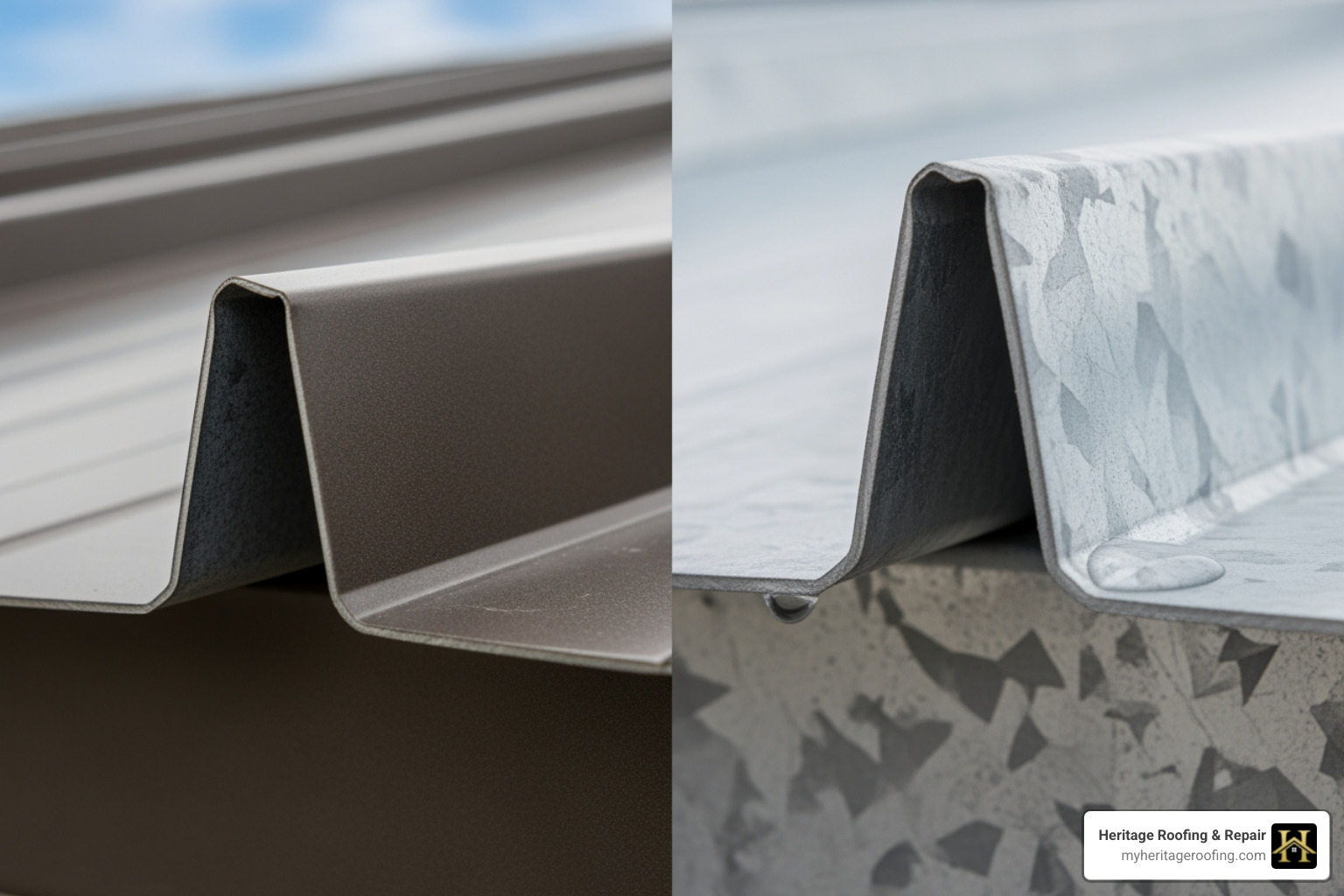
One of the defining characteristics of standing seam roofing is how the individual panels are joined together. This connection method, known as the panel profile, significantly impacts both the ease of installation and the roof’s overall performance and cost. We primarily work with two main types: snap lock and mechanical lock systems.
Snap Lock Panels: The Efficient Choice
Snap lock panels are a favorite for many residential standing seam roofing projects, and for good reason. They are designed for efficiency and ease of installation.
- Snap-Together Design: As the name suggests, these panels feature a male and female leg that simply “snap” together, creating a secure, interlocked seam. This pre-engineered design eliminates the need for specialized seaming tools on site.
- Faster Installation: Because they snap together quickly, snap lock panels generally require less labor and can be installed more rapidly than their mechanical lock counterparts. This translates to lower labor costs for your project.
- Ideal for Residential Projects: With their balance of performance and straightforward installation, snap lock systems are an excellent choice for homes across Northwest Arkansas. They offer superior weather protection and a sleek look without the added complexity of mechanical seaming.
- LokSeam® as a Product Example: A great example of a snap lock system we work with is LokSeam®. These panels, like many snap lock types, feature 1-3/4 inch tall vertical ribs and are suitable for roofs with a minimum 3:12 slope. They’re available in various widths, typically 12″, 16″, or 18″, offering flexibility for different roof designs. A key advantage is their concealed clip fastening system, which allows for thermal movement and often doesn’t require a solid substructure, making installation versatile.
Snap lock systems represent a modern evolution of standing seam roofing, offering robust protection with a streamlined installation process.
Mechanical Lock Panels: The Ultra-Durable Option
When the utmost in weather tightness and structural integrity is required, particularly for low-slope applications or in regions with extreme weather, mechanical lock panels are our go-to choice for standing seam roofing.
- Requires Mechanical Seaming Tools: Unlike snap lock, these panels require a specialized mechanical seaming tool to crimp the seams together after the panels are laid. This process creates an incredibly strong, watertight seal.
- Higher Labor Costs: The mechanical seaming process is more labor-intensive and time-consuming, which typically results in higher labor costs compared to snap lock systems. However, the improved performance often justifies this additional investment.
- Superior Weathertightness: The crimped, mechanically seamed connection forms a virtually impenetrable barrier against water, making these systems exceptionally resistant to leaks, even in heavy rains or melting snow. This is why they are considered a “hydrostatic” system, capable of keeping buildings watertight even when submerged for brief periods.
- Double Lock vs. Single Lock: Mechanical lock systems come in two primary forms:
- Single Lock (90-degree seam): The seam is folded once, providing good weather tightness. They are generally easier to repair if a panel needs replacement.
- Double Lock (180-degree seam): The seam is folded twice, creating an even more robust and watertight seal. This is the ultimate in weather resistance and is often used for very low-slope applications (down to 0.5:12 pitch with sealant) or in areas experiencing significant freeze-thaw cycles.
- Best for Low-Slope Applications and Harsh Weather: Due to their superior weathertightness, double lock mechanical systems are ideal for roofs with minimal slope where water drainage might be slower. They are also highly recommended for areas in Northwest Arkansas that experience severe storms, high winds, or heavy snowfall, providing maximum protection.
For those seeking the pinnacle of performance and durability in standing seam roofing, mechanical lock systems, particularly double lock, offer an best level of protection. For a deeper dive into the engineering and design principles behind these robust systems, you might find valuable insights in A Design Guide for Standing Seam Roof Panels.
Why a 50-Year Roof is a Smart Investment
When we talk about standing seam roofing, we’re not just discussing a roof; we’re discussing a long-term asset for your home. This isn’t a roof you’ll be replacing in 15-20 years like traditional asphalt shingles. This is an investment designed to last for generations, offering exceptional durability, weather resistance, and longevity that truly pays off over time.
Best Durability and Longevity
One of the most compelling reasons to choose standing seam roofing is its incredible lifespan and resilience.
- Lifespan Up to 50 Years (or More!): While often quoted at 50 years, many standing seam metal roofs, particularly those made from premium materials and expertly installed, can last 60 years or even longer. This longevity far surpasses that of most other roofing materials, meaning fewer replacements and significant long-term savings for homeowners in Northwest Arkansas.
- Withstands Winds Up to 140 mph: Our local weather can be unpredictable, but a standing seam roof is built to endure. These systems are engineered to resist high winds, often rated to withstand gusts up to 140 mph or even higher (UL Class 90 ratings are common). The concealed fastener system and robust panel interlocks prevent panels from lifting or detaching during severe storms.
- Class 4 Impact Resistance: Many standing seam roofing systems achieve a Class 4 impact resistance rating, the highest available. This means they are highly resistant to damage from hail, a common concern for homeowners in our region. This superior hail resistance can potentially lead to insurance benefits and, more importantly, peace of mind during stormy weather. If you’ve experienced hail damage, you know the importance of resilient materials, and we also offer comprehensive hail damage roof repair services.
- Fire Resistance: Metal is non-combustible, giving standing seam roofs a Class A fire resistance rating, the highest possible. This offers an invaluable layer of protection for your home and family against external fire threats.
- Fewer Maintenance Needs Compared to Asphalt Shingles: Unlike asphalt shingles that can crack, curl, or lose granules over time, standing seam roofing requires minimal maintenance. Occasional cleaning and inspections are usually all that’s needed to keep it in top condition, freeing up your time and reducing ongoing costs.
Energy Efficiency and Mounting Advantages
Beyond its sheer toughness, standing seam roofing offers smart features that benefit your wallet and your lifestyle.
- Cool Roof Technology: Many standing seam panels are finished with special coatings and reflective pigments, turning them into “cool roofs.” These surfaces reflect solar radiant heat rather than absorbing it, which can significantly reduce heat gain in your attic and lower your home’s cooling costs during our hot Arkansas summers. This energy efficiency makes standing seam an excellent choice for homeowners looking to save on utilities and contributes to a more sustainable home. Explore more about how this works on our energy efficient roofing page.
- Ability to Mount Solar Panels or Snow Guards Without Roof Penetration: This is a huge advantage for homeowners considering solar energy or needing snow retention systems. With standing seam roofing, specialized clamps can be attached directly to the raised seams without drilling any holes through the metal panels. This preserves the roof’s integrity and watertightness while allowing for easy installation of accessories. For innovative mounting hardware solutions, we often recommend our partners at S-5!.
Your Local Standing Seam Roofing Experts in Northwest Arkansas
Installing a standing seam roofing system is a specialized skill that requires precision, experience, and an in-depth understanding of metal roofing dynamics. This is not a DIY project, nor is it a job for just any roofing crew.
The installation process for standing seam metal roofs is notably labor-intensive. It involves careful measurement, precise cutting, and meticulous seaming of panels, whether by hand or with mechanical tools. Every detail, from the underlayment to the flashing around penetrations, must be perfectly executed to ensure the system’s legendary watertightness and longevity. This is why having a qualified contractor is paramount.
In Northwest Arkansas – from Berryville to Fayetteville and Harrison – we’ve seen the difference that experienced craftsmanship makes. Our team at Heritage Roofing & Repair possesses the specialized knowledge and equipment necessary for flawless standing seam roofing installation. We understand the unique challenges posed by our local climate and ensure that every roof we install is built to last.
Choosing a roofer with a proven track record ensures that your significant investment is protected. We take pride in our work and stand behind every standing seam roof we install, offering peace of mind to our neighbors in Northwest Arkansas. If you’re in the Fayetteville area, learn more about our services in Fayetteville AR.
Heritage Roofing & Repair
3458 Arkansas State Hwy 221, Berryville, AR 72616
(870) 654-1164
Frequently Asked Questions about Standing Seam Roofs
We often get asked common questions about standing seam roofing systems. Here are some of the most frequent inquiries and our expert answers:
Is a standing seam metal roof noisy when it rains?
This is a very common misconception! Many people imagine a metal roof amplifying the sound of rain like a tin shed. However, with modern installation techniques and proper insulation, a standing seam roofing system is typically no louder than, and often even quieter than, other roof types. A solid roof deck and a high-quality underlayment create a significant sound-dampening barrier. In fact, many homeowners find the gentle pitter-patter of rain on a metal roof quite soothing.
Can you walk on a standing seam metal roof?
Yes, you can walk on a standing seam roofing system, but it should always be done carefully and with proper technique. It’s best to walk on the flat part of the panels, ideally near the support structures underneath, to distribute your weight evenly and avoid denting the metal. We advise against walking directly on the raised seams. For routine maintenance or inspections, we always recommend consulting a professional to avoid accidental damage or injury.
How does a standing seam roof handle thermal expansion?
This is one of the engineering marvels of standing seam roofing and a key reason for its exceptional longevity. The system is specifically designed to accommodate thermal movement. Metal panels naturally expand in heat and contract in cold. Instead of being rigidly fastened through the panel (which would cause buckling and stress), standing seam panels are typically secured to the roof deck using specialized concealed clips. These clips allow the panels to “float” and slide slightly as they expand and contract with temperature changes, preventing stress on the fasteners and the metal itself. This ingenious design prevents issues like oil canning (visible waviness in the panels) and ensures the roof remains watertight and structurally sound for decades.
Conclusion
As we’ve explored, standing seam roofing is far more than just a roof over your head; it’s a superior choice for longevity, durability, and modern aesthetics. While the initial investment is higher than traditional materials, the remarkable 50-year (or more!) lifespan and minimal maintenance requirements offer exceptional long-term value, often outperforming other roofing options in terms of cost-effectiveness over its lifetime.
For homeowners in Northwest Arkansas looking for a dependable, energy-efficient, and high-quality roof that stands the test of time, a standing seam system installed by the experienced team at Heritage Roofing & Repair is an investment you won’t regret. Our commitment to quality craftsmanship and customer satisfaction means your home will be protected for generations to come.
Ready to lift your home with the ultimate roofing solution? Contact our Fayetteville, AR team today to discuss your project! We’re here to guide you through every step, ensuring you get a roof that’s as beautiful as it is robust.