Why Every Homeowner Should Understand Free Roof Inspections
A free roof inspection is a professional visual assessment of your roof’s condition, offered at no cost. It’s an invaluable tool for identifying potential problems before they become expensive disasters, but it’s also a service that is often misunderstood. You might be wondering if that flyer on your door is a genuine offer or a potential scam. Understanding what a legitimate inspection includes is the key to protecting your home and wallet. As a family-owned company providing honest roofing services in Northwest Arkansas for over 50 years, we’ve seen how a proper inspection can be a homeowner’s best defense against costly damage.
Key Facts About Free Roof Inspections:
- What it is: A 30-60 minute visual check of shingles, flashing, gutters, and structural components.
- What you get: A verbal summary with photos and a no-obligation repair estimate.
- Legitimate offers: Come from established, local companies as a customer service and sales tool.
- Red flags: Unsolicited door-to-door offers, high-pressure tactics, and demands for immediate payment.
The bottom line is that a free inspection from a reputable contractor can save you thousands by catching small issues early. However, after major storms, scammers known as “storm chasers” use the same offer to fabricate damage and pressure homeowners into unnecessary work.
I’m Rex Wisdom, and my family has been providing honest roof inspections and quality repairs to our neighbors throughout Northwest Arkansas for three generations. We’ve seen how a properly conducted free inspection protects homeowners—and how dishonest contractors exploit the practice. Let me walk you through everything you need to know.
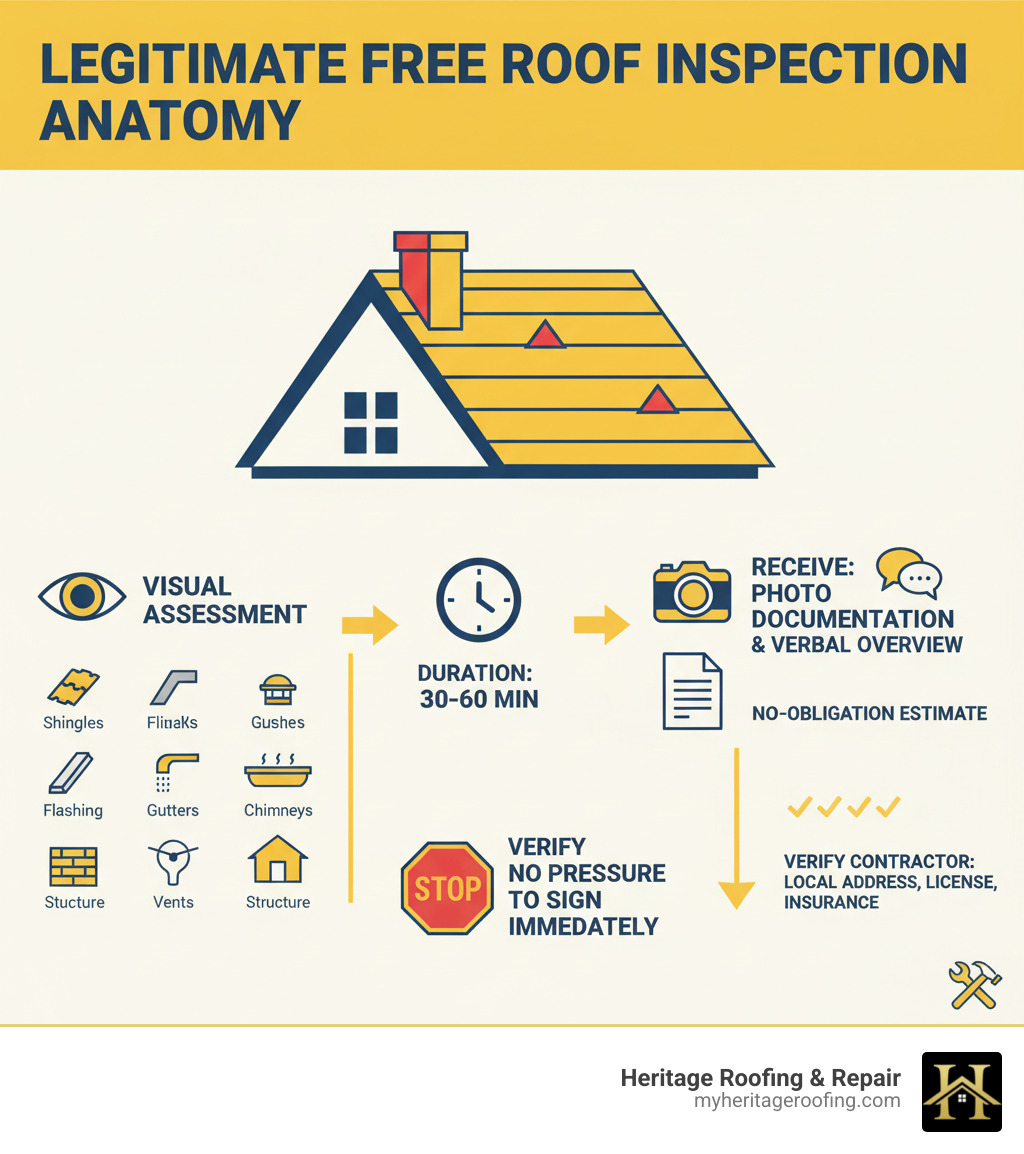
What’s Really Included in a “Free” Roof Inspection?
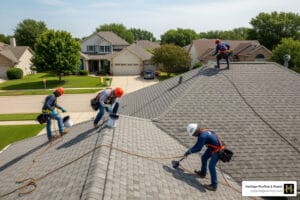
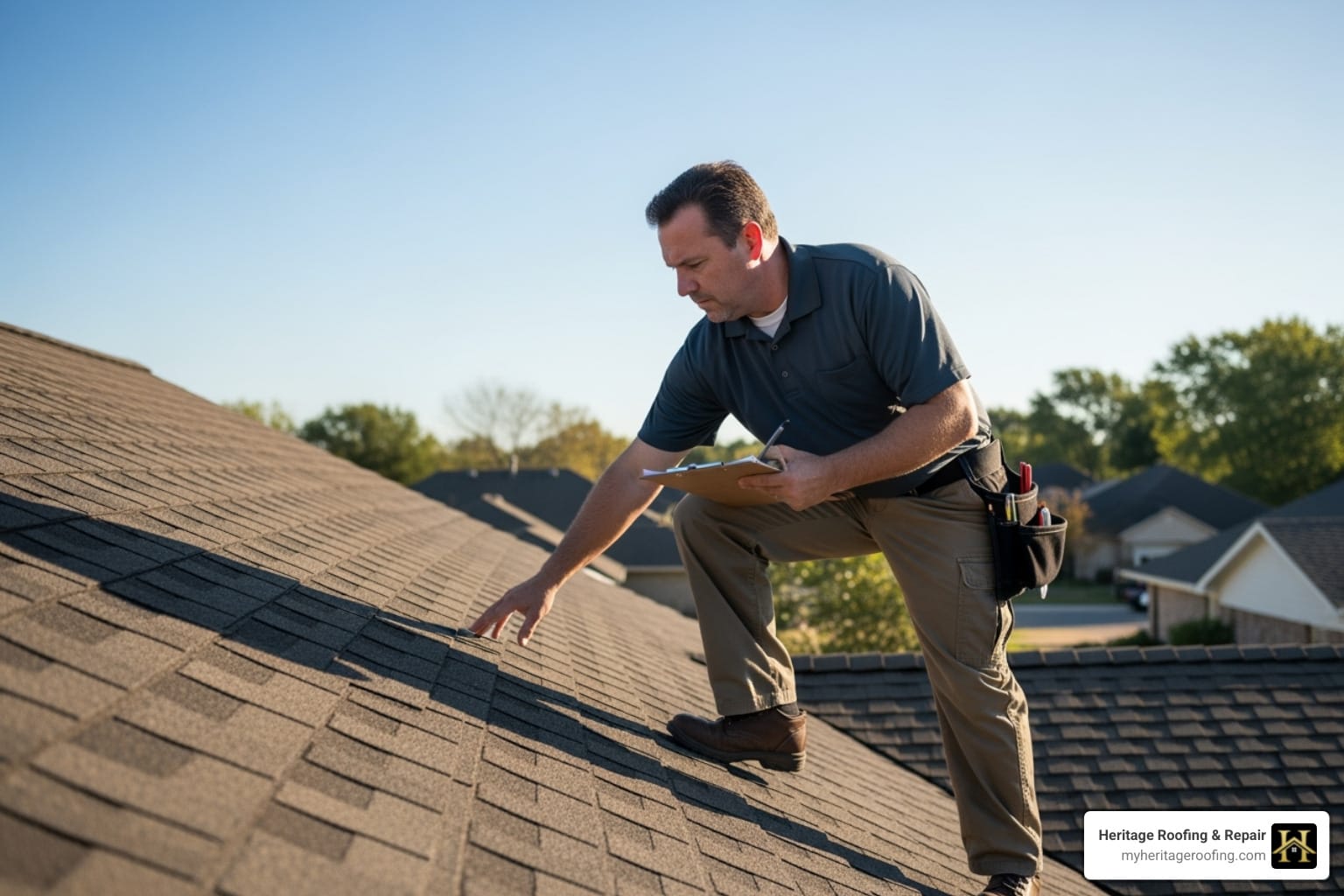
When you schedule a free roof inspection with a trusted local company, you receive a professional visual assessment of your roof’s health. Most residential inspections take 30-60 minutes and are designed to give you a clear picture of what’s working and what needs attention.
Our team conducts a thorough examination of every critical component:
- Shingles: We look for missing pieces, cracks, curling, or significant granule loss, which often signals an aging, vulnerable roof.
- Flashing: We inspect the metal strips around chimneys, vents, and skylights for rust, corrosion, or improper sealing, as these are notorious leak sources.
- Gutters and Downspouts: We check for clogs, sagging, or damage that prevents proper water drainage, which can lead to foundation or attic issues.
- Vents: We ensure vents are properly sealed and free from obstructions to maintain proper attic ventilation, which is crucial for your roof’s lifespan and your home’s energy efficiency.
- Chimney: We examine the masonry for cracks and check the chimney cap and flashing for deterioration that could cause leaks or structural problems.
- Structural Integrity: While not a full engineering analysis, we look for visible red flags like sagging or bowing that may warrant a deeper investigation.
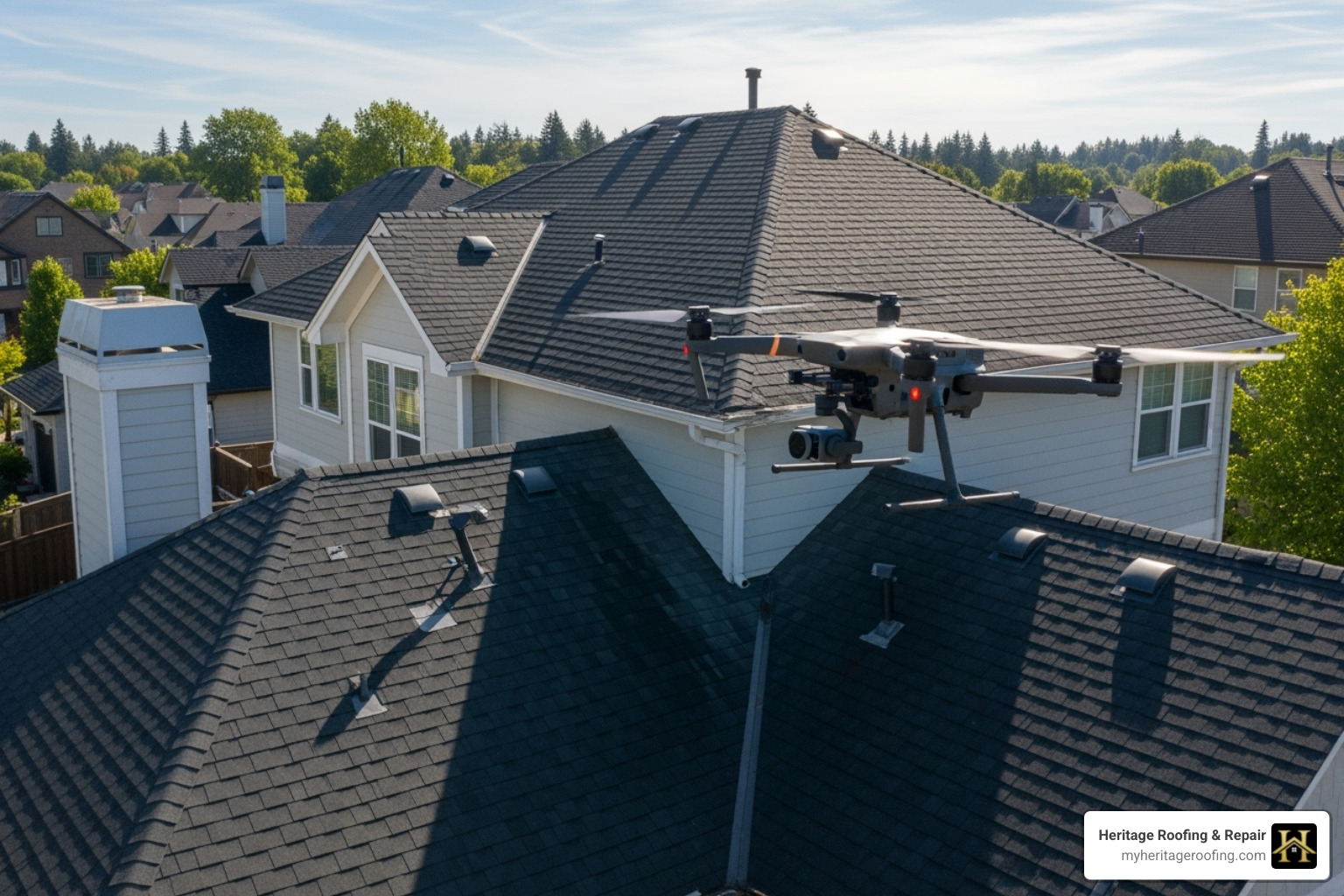
A drone flying over a house for a roof inspection provides a safe and efficient way to assess roof health.
Some companies now use drone roof inspections with high-resolution cameras for a safer, faster, and often more accurate assessment, especially on hard-to-reach roofs. While not always included, this technology significantly improves the quality of a visual inspection.
After the inspection, you’ll receive a verbal overview backed by photo documentation of any problem areas. If repairs are needed, the contractor should provide a detailed, no-obligation written estimate. The term “free” means you are never obligated to hire them; it’s a service to demonstrate expertise and build trust.
Here’s how a free inspection compares to a more comprehensive paid one, which is often necessary for real estate transactions or complex insurance claims:
| Feature | Free Roof Inspection | Certified/Paid Roof Inspection |
|---|---|---|
| Cost | Free, no charge | Typically $300 to $1,000 or more |
| Primary Purpose | Preliminary assessment, lead generation for repairs | In-depth analysis, formal documentation for specific purposes |
| Documentation | Verbal overview, often with photos/videos | Detailed written report, extensive photos, diagrams |
| Scope | Visual exterior, sometimes accessible interior | Comprehensive exterior and interior (attic, structural) |
| Best For | Routine checks, post-storm assessment, peace of mind | Real estate transactions, insurance claims, legal disputes |
The Good: Why a Proactive Inspection Can Save You Thousands
Most homeowners don’t realize that a small roof issue is costing them money right now—even if there’s no visible leak. A free roof inspection is one of the most effective preventative maintenance steps you can take. Major roofing trade groups recommend two professional inspections per year—spring and fall—plus post-storm checks.
Here’s how being proactive saves you money and stress:
-
Early Problem Detection: A trained professional can spot subtle warning signs you might miss, like hairline cracks or loose fasteners. Catching these issues early means repairs cost hundreds, not thousands.
-
Leak Prevention: By the time you see a water stain on your ceiling, a leak has likely been active for weeks, causing damage to insulation and framing. An inspection identifies potential leak sources before they let water in.
-
Extending Your Roof’s Lifespan: A full roof replacement can be a five-figure project. The 2024 Cost vs. Value Report pegs the national average for an asphalt shingle roof replacement at $29,136—making maintenance that adds 5–10 years of life a high-ROI decision. (Source: Remodeling Magazine Cost vs. Value 2024)
-
Insurance Compliance: Wind and hail are the most frequent causes of homeowners insurance claims nationwide. Documented inspections help validate coverage and speed up claims after severe weather. (Source: Insurance Information Institute)
-
Peace of Mind: Knowing a professional has recently given your roof a clean bill of health provides invaluable confidence when the next storm rolls in.
-
Protecting Home Value: A well-maintained roof is a major selling point. Conversely, a neglected roof can derail a sale or force you to lower your asking price significantly.
-
Improving Energy Efficiency: Hidden leaks, poor ventilation, or damaged insulation force your HVAC system to work harder, driving up monthly energy bills. The U.S. Department of Energy notes that proper air sealing and insulation can trim heating and cooling costs by up to 20%.
Proactive care is the cornerstone of responsible homeownership. The homeowners who fare best are the ones who catch problems early.
Remodeling Cost vs. Value 2024 • Insurance Information Institute: Homeowners Facts & Stats • U.S. DOE: Insulation Guidance
The Bad & The Ugly: How to Spot and Avoid Roofing Scams
While many reputable companies offer a free roof inspection as a genuine service, some dishonest operators use it as a tool for deception. After a major storm in Northwest Arkansas, “storm chasers” often appear, going door-to-door and preying on unsuspecting homeowners.
Always be vigilant for scams, especially after major storms. Your home is your biggest investment.
The typical scam involves a contractor offering a free inspection, then fabricating damage or showing you photos from another house to pressure you into expensive, unnecessary repairs. The Federal Trade Commission warns that post-disaster home repair scams are common and advises homeowners to get multiple estimates, verify licensing/insurance, and avoid large upfront payments. BBB Scam Tracker data also shows that storm-related cons trend upward following severe weather.
Watch for these critical red flags:
- Unsolicited Door-to-Door Offers: Be wary of anyone who “just happens to be in the area.” This is a common opening line for storm chasers.
- Vague Company Information: A legitimate business has a verifiable local address and phone number. Scammers often use P.O. boxes or untraceable numbers.
- High-Pressure Tactics: Any contractor who pressures you to sign a contract on the spot or makes you feel uncomfortable is a major red flag.
- Large Upfront Payments: Reputable companies do not demand large cash deposits before work begins. Insisting on cash is another warning sign.
- Claims to Handle Everything with Insurance: Be cautious of contractors who want you to sign over your entire insurance claim. While we can assist with documentation, you should remain in control.
- Missing Credentials: Always ask for and verify proof of licensing and insurance. Without it, you could be held liable for accidents on your property.
Protect yourself by doing your due diligence. Always verify a contractor’s credentials, read online reviews from multiple third-party sources, and confirm their physical business address. A company with deep roots in the community is invested in its reputation.
Most importantly, get at least two or three quotes from different established, local companies for any significant work. This helps you compare pricing and professional opinions. If you encounter suspicious activity, report it to the BBB Scam Tracker or review the FTC’s post-disaster repair guidance at consumer.ftc.gov to protect others in your community.
You’ve Had Your Free Roof Inspection. Now What?
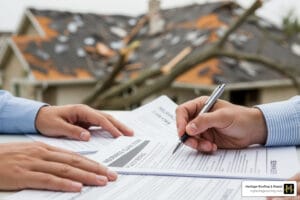
Once your free roof inspection is complete, a legitimate contractor will provide a clear, easy-to-understand summary of their findings. They should educate you on your roof’s condition, not just use jargon to scare you into a sale. If repairs are needed, you should receive a detailed, no-obligation written estimate, giving you the freedom to decide your next steps without pressure.
What to Expect From a Legitimate Inspection Report
A professional assessment provides you with the information needed to make a confident decision. Here’s what it should include:
- Clear Photo/Video Evidence: You should see high-resolution images or videos of any specific damage found on your roof. This visual proof ensures transparency.
- Detailed Explanations: A good contractor will explain what the problem is, what caused it, and what will happen if it’s not addressed. For example, they’ll clarify why damaged flashing is a critical issue that can lead to rot and mold.
- Proportionate Solutions: Recommendations should match the problem. A few missing shingles on a five-year-old roof call for a targeted repair, not a full replacement.
- Itemized, No-Obligation Estimate: You should receive a written quote detailing all costs for materials and labor. This is a proposal, not a demand.
Getting a Second Opinion
Getting a second opinion for significant work is not just wise—it’s smart business. We encourage homeowners to do their homework. Comparing quotes from multiple reputable contractors helps you verify the diagnosis, compare pricing, and evaluate different solutions.
The goal isn’t to find the cheapest price but the best value. The lowest bid might use inferior materials or cut corners on installation. Use our Free Roof Estimate Guide 2025 to understand your quote and learn what questions to ask before making a decision.
A free roof inspection should empower you with clear documentation, honest recommendations, and the freedom to choose what’s right for your home. That’s the standard you should expect from any contractor.
Key Triggers: When to Schedule Your Inspection
Knowing when to call for an inspection is key to proactive home maintenance. Don’t wait for a leak to appear in your living room. Certain events and observations should automatically trigger a call to a trusted roofing professional to prevent minor issues from becoming major disasters.
After Severe Weather
This is the most critical trigger, especially in Northwest Arkansas. Storm damage is often not visible from the ground.
- Hail Impact: Even small hail can bruise shingles and strip away protective granules, creating weak spots that lead to leaks.
- High Wind Damage: Strong winds can lift, tear, or remove shingles and loosen flashing, creating vulnerabilities for water intrusion.
- Debris Impact: Falling branches or other wind-blown objects can puncture or scrape your roof, causing immediate damage.
After any major storm, a free roof inspection is highly recommended to catch damage early, as insurance claims are time-sensitive.
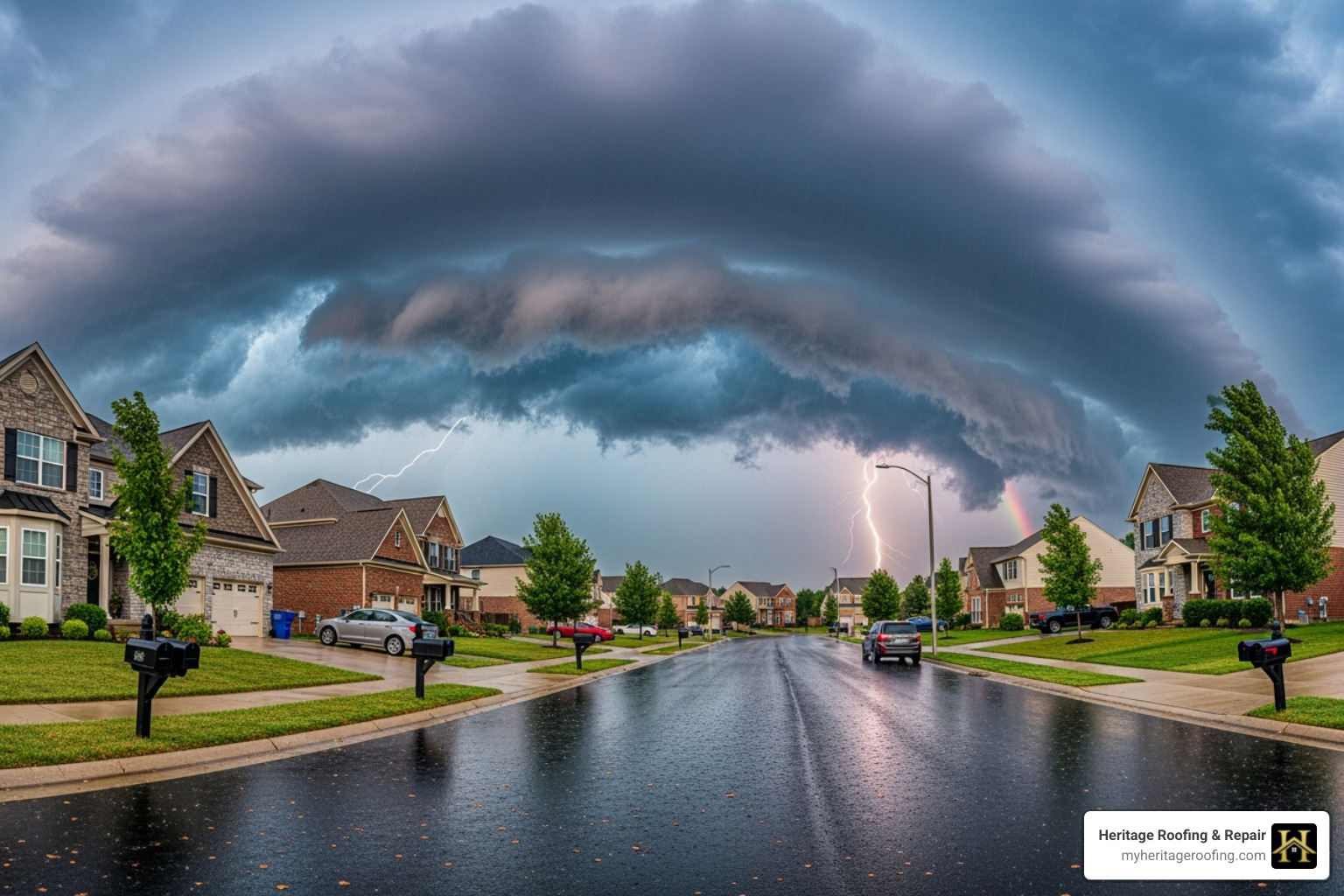
After a powerful storm, a roof inspection is crucial to identify hidden damage before it escalates.
Visible Warning Signs
Your roof often communicates distress through clear visual cues.
- Curling or Missing Shingles: Shingles that are buckling, curling, or gone entirely expose the underlayment to the elements.
- Granules in Gutters: A significant accumulation of these sand-like particles indicates your asphalt shingles are aging and losing their protective layer.
- Ceiling Water Stains: Any discoloration or damp spots on interior ceilings are definitive signs of an active leak that requires immediate attention.
- Sagging Roof Deck: A noticeable dip in your roofline can indicate serious structural issues, often from prolonged moisture exposure.
Roof Age
Most asphalt shingle roofs have a lifespan of 15-25 years. If your roof is over 15 years old, it deserves extra attention. Materials degrade over time, making regular inspections crucial to determine the roof’s remaining life and to budget for an eventual replacement.
Routine Maintenance Schedule
Even without obvious damage, annual or biennial checks are a cornerstone of responsible homeownership. These routine inspections identify minor issues before they become major, costly problems. A small repair today can prevent a $10,000 water damage disaster tomorrow.
Conclusion: A Free Inspection is a Tool—Use It Wisely
A free roof inspection is an incredibly valuable tool, but its worth depends entirely on the integrity of the company providing it. By understanding what a legitimate inspection entails and learning to spot the red flags of a scam, you can make informed decisions that protect your home. Always partner with a trusted, local expert with a proven track record in your community.
Your roof is your home’s first line of defense. Investing a little time in a free roof inspection from a reputable company is a small effort that yields immense returns in protection, peace of mind, and financial savings.
With over 50 years of experience, Heritage Roofing & Repair is committed to providing honest assessments and quality craftsmanship to our neighbors in Northwest Arkansas. We pride ourselves on dependable, affordable, and quality work, specializing in storm damage repair and insurance claims. We live and work here, and our reputation is built on trust.
Heritage Roofing & Repair
3458 Arkansas State Hwy 221, Berryville, AR 72616
(870) 654-1164
Schedule your no-obligation inspection with our team in Harrison, AR today